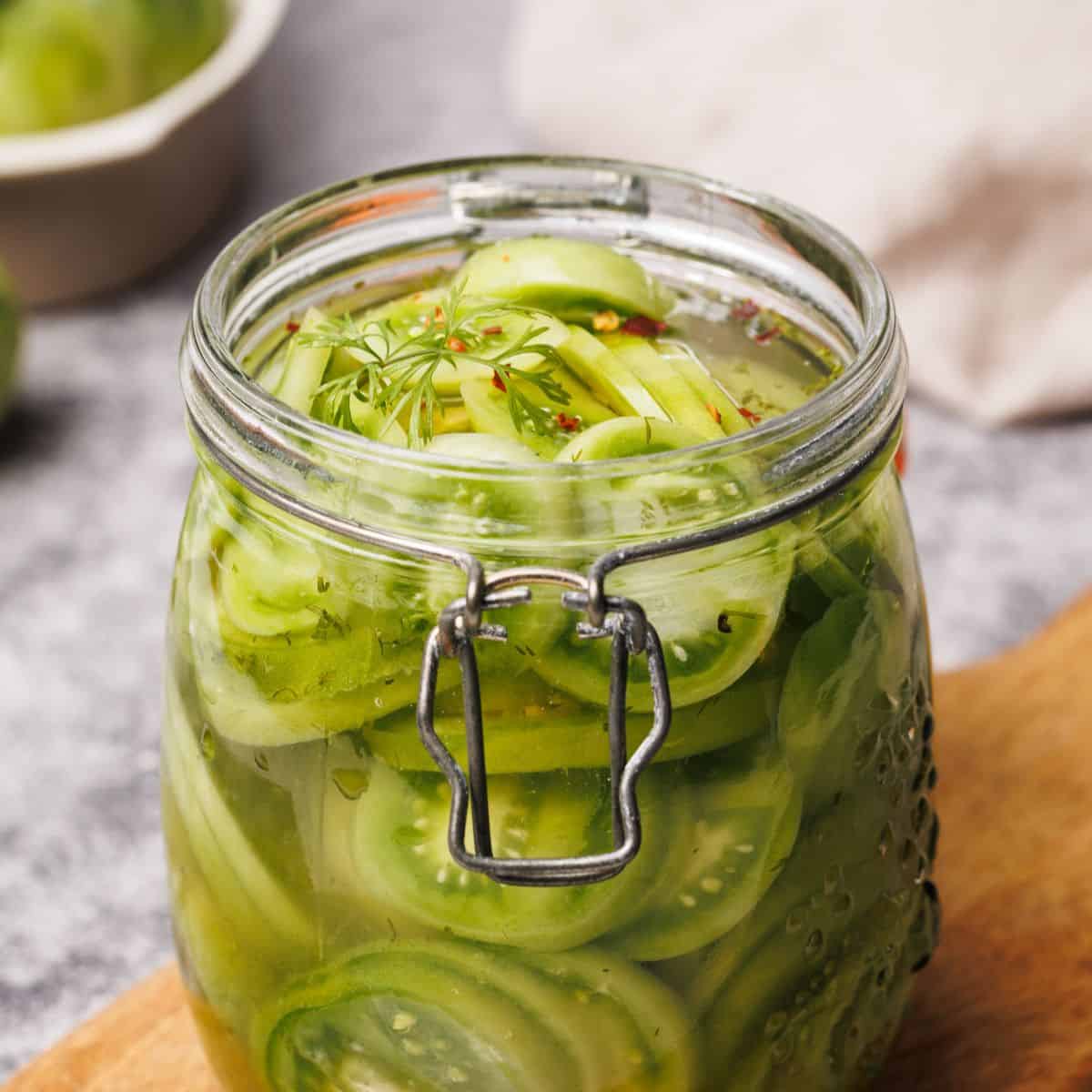
Transform Underripe Tomatoes: Quick Refrigerator Pickles
As the gardening season winds down, many home growers find themselves with a surplus of green, unripe tomatoes that won't have enough time to ripen on the vine. Instead of letting them go to waste, why not transform them into a culinary delight? Enter pickled green tomatoes – a vibrant, tangy, and incredibly versatile condiment that can elevate countless dishes. This quick pickle method, often called refrigerator pickles, is a game-changer, requiring minimal effort and no specialized canning equipment. In just minutes of prep time, you can create a jar of deliciously seasoned vegetables ready to enjoy in a matter of hours.
What are Quick Pickles and Why Pickled Green Tomatoes?
Quick pickles, or refrigerator pickles, are a revelation for anyone seeking to preserve the bounty of the harvest without the complexities of traditional canning. Unlike shelf-stable canned goods, quick pickles are brined and then stored in the refrigerator, offering a simpler, faster approach to preserving almost any vegetable or fruit. They're typically ready to eat much sooner – often within a day or even a few hours – making them perfect for spontaneous culinary adventures or using up seasonal gluts.
So, why are green tomatoes such a stellar candidate for this pickling method? The answer lies in their unique characteristics. Underripe tomatoes, whether larger slicing varieties or small green cherry tomatoes, possess a tartness and firmness that ripe tomatoes simply can't match. This inherent tartness beautifully complements the vinegar-based brine, creating a delightful sweet-and-sour profile. Furthermore, their extra firm texture is key; it ensures that the tomatoes maintain a pleasant bite even after soaking in the pickling liquid, preventing the mushiness that often plagues softer vegetables when pickled.
This southern staple is not just a clever way to prevent food waste; it's a celebration of bold flavors and crisp textures. If you're looking for an Easy 10-Minute Pickled Green Tomatoes: No Canning Needed recipe, you've found your next kitchen project.
Selecting the Perfect Green Tomatoes for Pickling
The success of your pickled green tomatoes hinges significantly on your choice of fruit. When selecting tomatoes, you're looking for specific qualities to ensure the best texture and flavor in your final product:
- Unripe Red Tomatoes, Not "Green" Varieties: It's important to differentiate. For this recipe, you want unripe versions of red tomatoes – those that haven't yet had a chance to ripen and soften. While there are heirloom varieties bred to be green when ripe, their texture and flavor profile are different. The tartness and firmness of an unripe red tomato are what we're after.
- Firmness is Key: Seek out tomatoes that are hard and unyielding to the touch. This firmness is crucial because the tomatoes will naturally soften as they absorb the pickling brine. Starting with hard tomatoes ensures they won't turn to mush, but rather achieve that perfect, slightly yielding, yet still crisp texture.
- Size Doesn't Matter (Much): Both larger slicing tomatoes and small green cherry tomatoes work wonderfully. Large tomatoes will need to be cut into wedges or thin slices, while cherry tomatoes can be left whole or halved. Thin slices will pickle faster and offer a more delicate bite, while wedges provide a chunkier, more substantial experience.
By making the right selections, you set the stage for a truly delightful batch of Bold Flavor, Crisp Texture: Quick Pickled Green Tomatoes.
Mastering the Brine: Ingredients and Flavor Customization
The brine is the heart of any pickle recipe, infusing your green tomatoes with all their vibrant flavor. A basic brine typically consists of vinegar, water, salt, and sugar, but the real magic happens when you start to customize it.
Essential Brine Components:
- Vinegar: This is the foundation of the pickling process. Distilled white vinegar is a popular choice due to its clean, sharp acidity that allows other flavors to shine. However, don't hesitate to experiment. Apple cider vinegar lends a fruiter, mellower tang, while red wine vinegar offers a richer, more robust flavor profile. Even rice vinegar can be used for an Asian-inspired twist. Taste the initial brine to get a baseline flavor before pouring it over your tomatoes.
- Water: Balances the acidity of the vinegar.
- Salt: Essential for flavor and drawing out moisture. Use canning or pickling salt if possible, as it's free of anti-caking agents that can sometimes cloud the brine.
- Sugar: Balances the tartness. Adjust to your preference – a tablespoon more can sweeten up the final product significantly.
Unleash Your Creativity with Flavorings:
This is where you can truly make your pickled green tomatoes unique. The possibilities for herbs and spices are endless:
- Classic Additions: Fresh dill, mustard seeds, celery seeds, bay leaves, black peppercorns, and garlic cloves are traditional choices that deliver a comforting, familiar pickle flavor.
- Heat Seekers: For those who love a kick, red pepper flakes are a must. Add them to taste – a little goes a long way! Sliced jalapeños or serrano peppers can also introduce a fresh, spicy element.
- Aromatic Boosts: Consider whole coriander seeds, fennel seeds, or even a star anise for an unexpected aromatic depth.
- Fresh Herbs: Beyond dill, try sprigs of fresh thyme, oregano, or even a touch of rosemary for different herbaceous notes.
Start by adding a small amount of your chosen flavorings to the brine and taste. You can always add more to the jar with the tomatoes if you prefer a stronger infusion.
Simple Steps to Homemade Pickled Green Tomatoes
Making your own pickled green tomatoes is incredibly straightforward. Here’s how to do it, ensuring safety and delicious results:
- Sterilize Your Jars: This crucial step prevents unwanted mold and bacteria growth, ensuring your pickles are safe and last longer. You have a few simple options:
- Oven Method: Preheat oven to 325°F (160°C). Wash glass jars and lids (excluding rubber rings) in hot soapy water, rinse, and place them on a cookie sheet. Bake for 10 minutes until dry.
- Stovetop Method: Bring a large pot of water to a rolling boil. Carefully submerge washed glass jars completely in the boiling water for 10 minutes.
- Dishwasher Method: Run jars through a hot wash cycle without soap, letting them stay hot until ready to use.
- Prepare Your Tomatoes: Wash your green tomatoes thoroughly. Slice larger tomatoes into uniform wedges or thin rounds (about ¼ inch thick). Small cherry tomatoes can be halved or left whole if desired, though halving will speed up the pickling process.
- Pack the Jars: Neatly layer your prepared green tomatoes into the sterilized glass jars. Pack them snugly but avoid crushing them, as this helps them stay submerged once the brine is added. You can intersperse your chosen fresh herbs and garlic cloves among the tomato layers.
- Prepare the Brine: In a saucepan, combine your vinegar, water, salt, sugar, and any dry spices (like mustard seeds, celery seeds, red pepper flakes). Bring the mixture to a boil, stirring until the salt and sugar are fully dissolved. Taste and adjust seasonings if necessary.
- Pour and Seal: Carefully pour the hot brine over the tomatoes in the jars, ensuring they are completely submerged. Fill the jars almost to the top, leaving about ½ inch of headspace. Tap the jars gently to release any air bubbles. Seal the jars with their lids.
- Cool and Refrigerate: Allow the jars to cool to room temperature on your countertop. Once cooled, transfer them to the refrigerator.
While some recipes suggest a cold brine for a crisper result, pouring hot brine over the tomatoes generally helps them absorb flavors faster and can slightly soften their texture, making them ready to enjoy sooner. If using a cold brine (no-cook method), understand that the pickling process will take a bit longer, perhaps 6-12 hours before they are truly "ready."
Enjoying Your Quick Pickles: Serving Suggestions & Storage
Once your pickled green tomatoes have marinated for at least 24 hours (though longer is always better for deeper flavor infusion), they are ready to dazzle your taste buds. Their bold, tangy, and often spicy flavor makes them incredibly versatile:
- Snacking: Enjoy them straight from the jar as a refreshing, zesty snack.
- Sandwiches and Burgers: Add a vibrant crunch and tang to your favorite sandwiches, wraps, or gourmet burgers.
- Salads and Grain Bowls: Chop them up and toss them into green salads, pasta salads, or hearty grain bowls for a burst of flavor.
- Mexican Cuisine: They are excellent atop tacos, nachos, quesadillas, or as a tangy side to fajitas.
- Charcuterie Boards: A beautiful and unexpected addition to a cheese or charcuterie platter.
- Southern Staples: Pair them with fried chicken, collard greens, or cornbread for a classic Southern touch.
- Relish Alternative: Finely chop them to use as a unique relish for hot dogs or sausages.
Remember, their flavors are intense, so start by adding a small amount to your dishes and adjust to your preference.
Storage: Store your homemade pickled green tomatoes in an airtight glass container in the refrigerator. When properly prepared and stored, they can last for up to 12 months, though their peak flavor and texture are typically best enjoyed within 2-3 months. Always ensure the tomatoes remain submerged in the brine; if necessary, use a small weight or a piece of parchment paper to keep them down. If you notice any signs of spoilage, such as mold or an off smell, discard immediately.
Embracing the art of quick pickling opens up a world of culinary possibilities, transforming otherwise overlooked produce into a star ingredient. These quick refrigerator pickled green tomatoes are a testament to how simple ingredients, a little time, and a dash of creativity can yield extraordinary results. So, next time you're faced with a bounty of underripe tomatoes, don't despair – get pickling!
