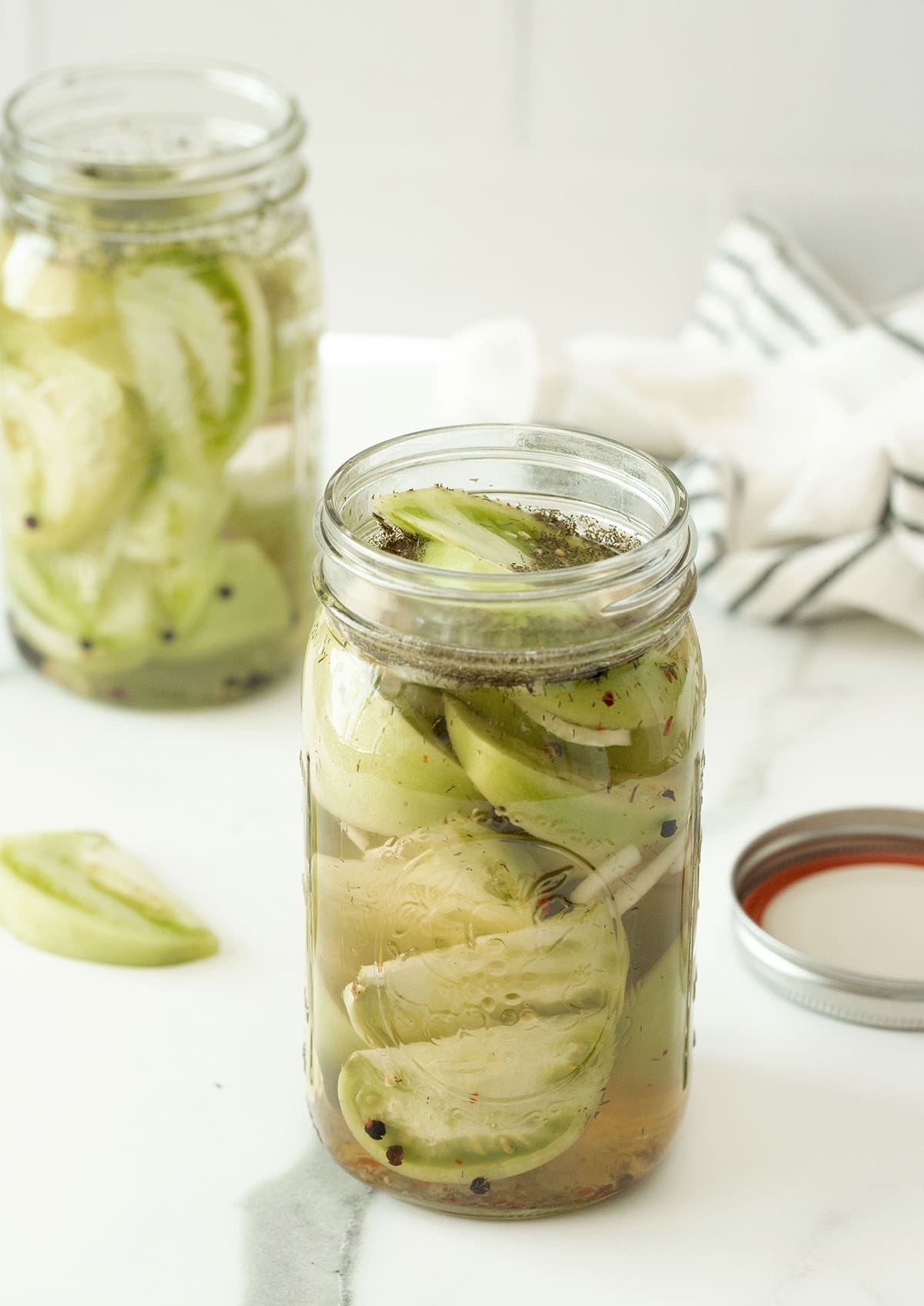
Unlock Tangy Delights: Easy 10-Minute Pickled Green Tomatoes (No Canning Needed!)
As summer winds down or your garden overflows with late-season bounty, you might find yourself staring at a pile of firm, unripe green tomatoes. What to do with them? Don't let those vibrant, unripened gems go to waste! Instead, transform them into a culinary marvel with our incredibly simple recipe for Bold Flavor, Crisp Texture: Quick Pickled Green Tomatoes. This guide will show you how to create intensely flavorful, crisp pickled green tomatoes in just 10 minutes of active prep time, no complicated canning equipment required. Prepare to elevate your dishes to new heights!
The Magic of Quick Pickling: Why No Canning is a Game-Changer
Traditional canning can be a time-consuming affair, demanding precise temperatures, pressure canners, and meticulous sterilization for shelf-stable results. But what if you crave that tangy, briny goodness without the fuss? Enter quick pickles, also known as refrigerator pickles. This method is a revelation for home cooks who want to enjoy homemade preserved vegetables with minimal effort.
Quick pickling involves brining almost any vegetable or fruit in a vinegar-based solution and then storing it in the refrigerator. Unlike shelf-stable canned goods, these fresh-packed delights rely on the cold temperature of your fridge to inhibit spoilage. The beauty of this approach is its speed and simplicity: you can have deliciously seasoned pickled green tomatoes ready to enjoy in as little as 6-24 hours, depending on how deeply you want the flavors to infuse.
This "no canning needed" technique makes preserving seasonal produce accessible to everyone, from novice cooks to seasoned chefs. It's the perfect solution for those last-minute harvests or when you simply crave a vibrant, tangy condiment without dedicating an entire afternoon to the kitchen. For more ideas on transforming underripe tomatoes, check out Transform Underripe Tomatoes: Quick Refrigerator Pickles.
Choosing the Perfect Green Tomatoes for Pickling
The success of your pickled green tomatoes hinges significantly on selecting the right kind of tomato. It's a common misconception that any green tomato will do. For this recipe, you're not looking for tomato varieties that are *bred* to be green when ripe (like some heirlooms, which tend to be softer). Instead, you want to select unripe red tomatoes—the ones that haven't yet had a chance to fully mature and ripen to their characteristic red hue.
Here's why this distinction is crucial:
- Tartness: Unripe red tomatoes possess a natural tartness and acidity that is absolutely essential for a balanced pickle flavor. This tartness complements the vinegar brine beautifully.
- Firmness: The most important characteristic to look for is firmness. Select tomatoes that are rock-hard to the touch. These extra-firm tomatoes will retain their crispness even after soaking in the pickling brine, giving you that satisfying "bite" rather than a mushy texture. As they marinate, they'll soften just enough to absorb the brine's flavors while maintaining structural integrity.
Both larger slicing tomatoes and small green cherry tomatoes work wonderfully. If using larger tomatoes, simply cut them into wedges or thin slices (slices will absorb the brine faster). Cherry tomatoes can be pickled whole or halved, offering delightful little bursts of flavor. Always wash your tomatoes thoroughly before preparing them.
Crafting Your Brine: The Heart of the Flavor
The brine is where the magic truly happens, transforming simple green tomatoes into a flavorful sensation. While the basic components are straightforward, the beauty lies in its versatility and your ability to customize it to your palate. A typical brine consists of vinegar, water, salt, and sugar.
Vinegar Varieties: A World of Flavor
The type of vinegar you choose will significantly impact the final taste profile of your pickled green tomatoes:
- Distilled White Vinegar: This is the classic choice for a reason. It offers a clean, sharp acidity that allows the natural tartness of the green tomatoes and any added spices to shine.
- Apple Cider Vinegar: For a slightly mellower, fruitier tang with subtle earthy notes, apple cider vinegar is an excellent alternative. It pairs particularly well with warm spices.
- Red Wine Vinegar: If you're looking for a deeper, more robust flavor profile with a hint of sweetness, red wine vinegar can add a sophisticated twist. Be mindful that it might slightly color your tomatoes.
Feel free to experiment or even combine vinegars to create your signature blend!
Balancing Sweetness and Spice
The base brine typically includes a small amount of sugar to balance the acidity of the vinegar and enhance other flavors. You can easily adjust this to your liking. For a sweeter pickle, simply increase the sugar by a tablespoon or two. Always taste your brine *before* pouring it over the tomatoes to ensure it matches your preference.
This is also where you can truly make your pickled green tomatoes unique by adding herbs and spices. Consider these popular additions:
- Spices: Mustard seeds, celery seeds, coriander seeds, peppercorns (black, white, or mixed), and a pinch of red pepper flakes for a kick.
- Herbs & Aromatics: Fresh dill sprigs, bay leaves, garlic cloves (sliced or whole), and even a slice or two of onion can add incredible depth.
Start with a small amount and taste. Remember, the flavors will intensify as they marinate.
The Advantage of Hot Brine
While some quick pickle recipes advocate for cold brine, pouring hot brine over your packed tomatoes offers several advantages:
- Faster Infusion: The heat helps to quickly draw out some moisture from the tomatoes and allows the brine's flavors to penetrate more rapidly.
- Crisper Texture: The initial shock of the hot brine can contribute to a firmer, crisper final product.
Important Safety Note: When using hot brine, you MUST use glass jars designed to withstand high temperatures. Thermal shock can cause regular glass to crack or shatter.
The Simple Steps to Delicious Pickled Green Tomatoes
With your ingredients ready, the actual prep time for these delightful pickles is incredibly fast. Here's how to do it:
Step 1: Sterilize Your Jars
This crucial step prevents the growth of unwanted mold or bacteria, ensuring your pickles are safe and taste their best for longer. While quick pickles aren't shelf-stable, clean jars are still essential. Choose heat-safe glass jars (pint or quart size are common). Here are two easy methods:
- Oven Method: Preheat your oven to 325ºF (160ºC). Wash jars and lids (not rubber rings) thoroughly in hot, soapy water. Rinse well. Place the jars on a baking sheet and bake for 10 minutes until completely dry.
- Stovetop Method: Boil a large pot of water. Carefully submerge the washed glass jars entirely in the boiling water for at least 10 minutes. Remove with tongs and let them air dry on a clean towel or rack.
Step 2: Prepare Your Tomatoes
Wash your selected green tomatoes thoroughly. Slice larger tomatoes into uniform wedges or thin, round slices (about 1/4-inch thick for quicker pickling). Small cherry tomatoes can be halved or left whole. Pack the tomatoes snugly into your sterilized jars, leaving about 1/2 inch of headspace at the top. The snug packing helps keep them submerged in the brine.
Step 3: Make the Brine
In a non-reactive saucepan, combine your chosen vinegar, water, salt, sugar, and any desired spices (like mustard seeds, celery seeds, or red pepper flakes). Bring the mixture to a rolling boil, stirring until the salt and sugar are completely dissolved. If adding fresh herbs like dill or garlic, you can add them directly to the jars with the tomatoes before pouring the brine.
Step 4: Combine and Chill
Carefully pour the hot brine over the packed tomatoes in the sterilized jars, ensuring the tomatoes are fully submerged. Tap the jars gently on the counter to release any trapped air bubbles. Seal the jars tightly with their lids. Allow the jars to cool to room temperature on your counter, then transfer them to the refrigerator. For the best flavor development, let your pickled green tomatoes marinate for a minimum of 24 hours, though 2-3 days will yield a more intensely flavored and tender pickle. Give the jar a good shake once or twice during the first few hours to distribute the flavors evenly.
Enjoying Your Tangy Creation
Once your pickled green tomatoes have had time to marinate, get ready to unleash their bold, tangy, and slightly sweet flavor! These versatile refrigerator pickles can transform a multitude of dishes:
- Snacking: Enjoy them straight from the jar for a refreshing, palate-cleansing snack.
- Sandwiches & Burgers: Layer them onto your favorite sandwiches, subs, or burgers for an irresistible crunch and zing.
- Salads & Grain Bowls: Chop them up and toss them into green salads, pasta salads, or hearty grain bowls to add a vibrant, acidic counterpoint.
- Accompaniment: Serve them alongside grilled meats, fried chicken (a classic southern pairing!), or rich, fatty dishes to cut through the richness.
- Cooking: Dice them and incorporate them into salsas, relishes, or even a unique homemade tartar sauce.
A little goes a long way with these intensely flavored pickles, so start by adding a small amount to your dishes and adjust to taste.
Storage
Store your homemade pickled green tomatoes in airtight glass containers in the refrigerator. They will maintain their quality and flavor for up to 12 months, though they're often devoured long before then!
Conclusion
Don't let those end-of-season green tomatoes go to waste! With just 10 minutes of active preparation and no canning equipment required, you can create a batch of incredibly flavorful, crisp pickled green tomatoes that will elevate countless meals. This quick pickle method is a testament to how easy and rewarding homemade preserving can be. So, grab those unripe beauties, whip up a brine, and get ready to enjoy a tangy, zesty treat that brightens any plate!
